Introduction
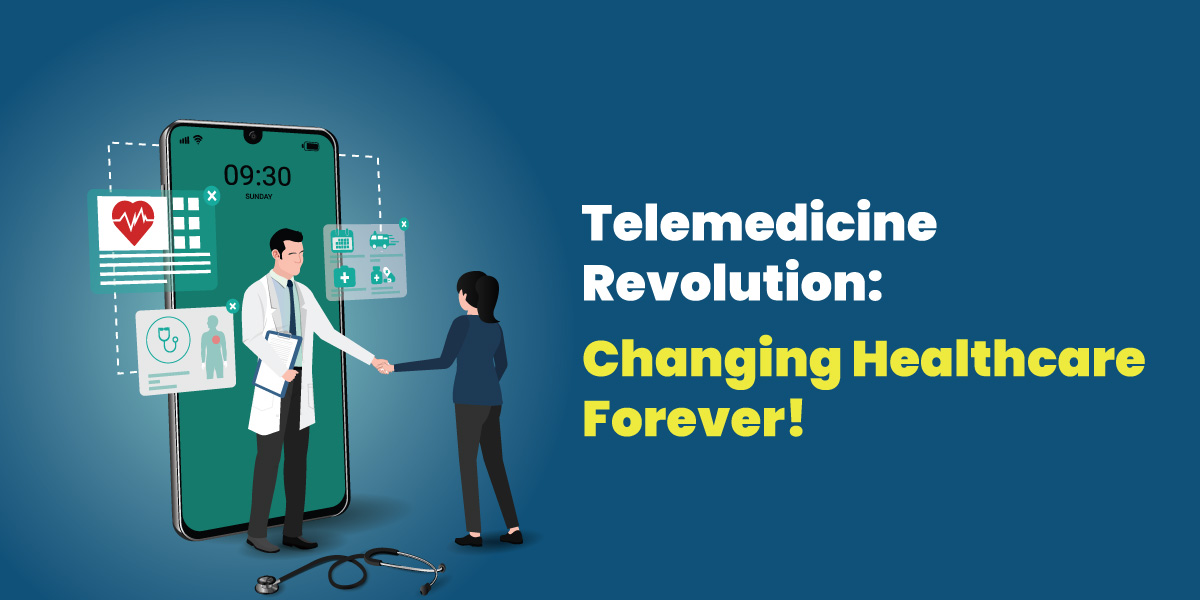
Imagine consulting a doctor from the comfort of your home, receiving prescriptions instantly, and monitoring your health through an app—all without stepping into a clinic. This is not a glimpse into the future; it’s happening now. Telemedicine has revolutionized healthcare, making it more accessible, affordable, and efficient.
With the increasing adoption of digital health solutions, telemedicine is bridging gaps in medical care, especially in remote areas. But how exactly does it work? What are its benefits and challenges? Let’s dive into the world of virtual healthcare and explore how it’s reshaping the medical landscape.
What is Telemedicine?
Telemedicine refers to the practice of providing healthcare services remotely through digital communication technologies. Instead of visiting a doctor in person, patients can consult healthcare providers via:
- Video Calls (Zoom, Skype, or specialized medical platforms)
- Phone Consultations
- Mobile Health Apps
- Wearable Devices for Remote Monitoring
- AI-Powered Chatbots for Symptom Analysis
With the help of electronic health records (EHRs) and AI-driven diagnostics, telemedicine is becoming an essential part of modern healthcare.
The Key Benefits of Telemedicine
1. Increased Accessibility to Healthcare
For patients living in rural areas or those with mobility challenges, telemedicine has been a game-changer. No more long drives or waiting hours at clinics—medical assistance is just a click away.
🚀 Example: A patient in a remote village can now consult a specialist in a top hospital without traveling hundreds of miles.
2. Cost-Effective & Time-Saving
Telemedicine eliminates many costs associated with traditional healthcare, such as:
- Transportation expenses
- Long waiting times in clinics
- Unnecessary hospital visits
💰 Fact: According to studies, telemedicine consultations cost 30-50% less than in-person visits.
3. Effective Chronic Disease Management
Patients with diabetes, heart diseases, or hypertension require continuous monitoring. Telemedicine allows:
- Remote Patient Monitoring (RPM) through wearable devices
- Instant communication with doctors
- Automated alerts for irregular health conditions
🩺 Example: A smartwatch tracking a patient’s heart rate can immediately notify their doctor about irregularities.
4. Enhancing Mental Health Support
Mental health consultations often require privacy and comfort—something telemedicine provides effortlessly. With virtual therapy, people can:
- Speak with therapists from home
- Avoid social stigma related to mental health visits
- Schedule flexible sessions without disrupting their routine
🧠 Fact: Since the rise of telehealth, online therapy sessions have increased by 60% globally.
5. Reducing the Risk of Infections
During pandemics like COVID-19, visiting a hospital can expose patients to infections. Telemedicine minimizes this risk by allowing people to consult doctors safely from their homes.
🏥 Example: During the COVID-19 outbreak, telemedicine consultations increased by over 500% worldwide.
Challenges in Telemedicine Adoption
While telemedicine offers numerous benefits, some barriers must be addressed:
1. Limited Internet Access
Not everyone has access to high-speed internet, making video consultations challenging in some regions.
2. Regulatory and Privacy Concerns
Protecting patient data is crucial. Telemedicine platforms must comply with:
- HIPAA (Health Insurance Portability and Accountability Act) in the U.S.
- GDPR (General Data Protection Regulation) in Europe
🔍 Solution: Enforcing stricter cybersecurity measures and encryption technologies.
3. Absence of Physical Examination
Some diagnoses require physical interaction, making telemedicine ineffective for certain conditions.
🏥 Example: A skin rash or a lump may need a hands-on examination that video calls cannot provide.
How Telemedicine is Changing Patient Care
1. AI & Telehealth Integration
Artificial intelligence is playing a huge role in telemedicine by:
- Analyzing patient symptoms before doctor consultations
- Predicting potential health risks based on past records
- Assisting doctors with accurate diagnostics
🤖 Example: AI-powered chatbots like Ada Health or Buoy Health can provide preliminary diagnoses before a doctor’s appointment.
2. Virtual Health Assistants
With advancements in AI, virtual assistants can now:
- Remind patients to take medications
- Track daily health progress
- Schedule doctor appointments
📲 Example: Apple’s Siri and Amazon’s Alexa can now integrate with health apps to assist users in tracking vitals.
3. Future of Remote Surgeries
Imagine a specialist surgeon operating on a patient miles away using robotic-assisted technology. Telemedicine is pushing the boundaries of what’s possible in healthcare.
🦾 Example: Da Vinci Surgical System enables surgeons to perform minimally invasive surgeries remotely.
The Future of Telemedicine
With the rapid advancement of 5G technology, IoT (Internet of Things), and AI-driven healthcare, telemedicine will become a mainstream medical service. Here’s what we can expect:
- More widespread adoption across hospitals & clinics
- Better integration with wearable technology for remote monitoring
- Expansion of telepsychiatry & mental health services
- Stronger regulations & cybersecurity measures to protect patient data
🚀 Fact: The global telemedicine market is expected to reach $460 billion by 2030.
Conclusion
Telemedicine is not just a passing trend—it’s the future of healthcare. By improving accessibility, reducing costs, and enabling real-time medical support, it is revolutionizing patient care worldwide.
While challenges like internet accessibility, data security, and the need for physical examinations remain, continuous advancements in AI, digital health records, and wearable tech will further solidify telemedicine as a reliable healthcare alternative.
Are you ready to embrace the future of virtual healthcare? 🌍💙