Blog

  • The Rise of Telemedicine How Virtual Healthcare is Changing Patient Care

    The Rise of Telemedicine How Virtual Healthcare is Changing Patient Care

    Introduction

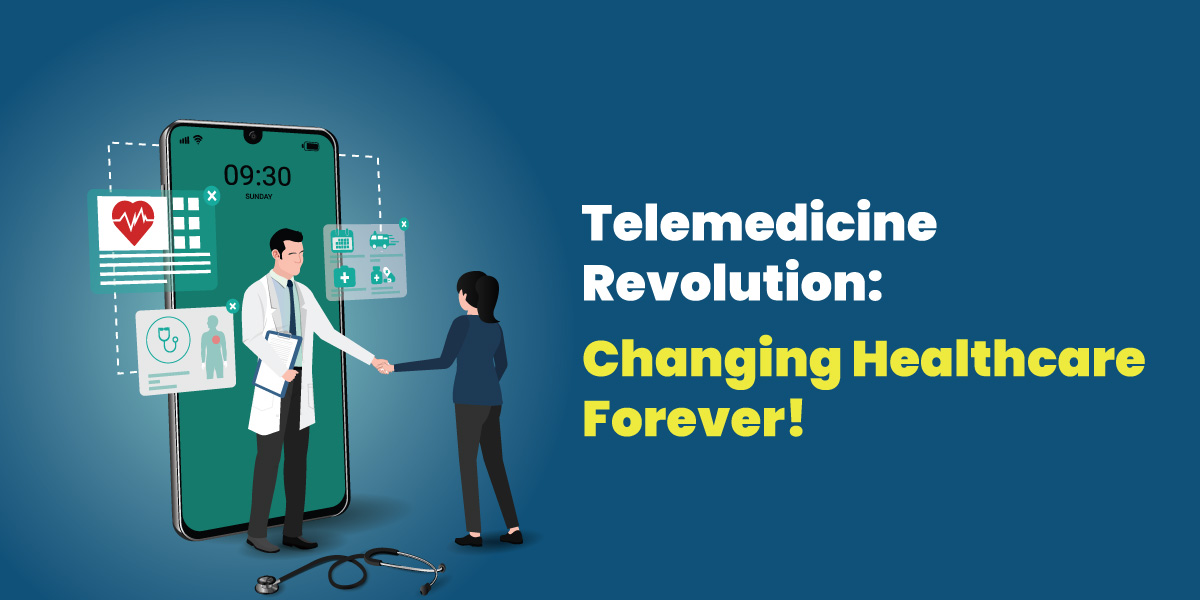
    Imagine consulting a doctor from the comfort of your home, receiving prescriptions instantly, and monitoring your health through an app—all without stepping into a clinic. This is not a glimpse into the future; it’s happening now. Telemedicine has revolutionized healthcare, making it more accessible, affordable, and efficient.

    With the increasing adoption of digital health solutions, telemedicine is bridging gaps in medical care, especially in remote areas. But how exactly does it work? What are its benefits and challenges? Let’s dive into the world of virtual healthcare and explore how it’s reshaping the medical landscape.


    What is Telemedicine?

    Telemedicine refers to the practice of providing healthcare services remotely through digital communication technologies. Instead of visiting a doctor in person, patients can consult healthcare providers via:

    • Video Calls (Zoom, Skype, or specialized medical platforms)
    • Phone Consultations
    • Mobile Health Apps
    • Wearable Devices for Remote Monitoring
    • AI-Powered Chatbots for Symptom Analysis

    With the help of electronic health records (EHRs) and AI-driven diagnostics, telemedicine is becoming an essential part of modern healthcare.


    The Key Benefits of Telemedicine

    1. Increased Accessibility to Healthcare

    For patients living in rural areas or those with mobility challenges, telemedicine has been a game-changer. No more long drives or waiting hours at clinics—medical assistance is just a click away.

    🚀 Example: A patient in a remote village can now consult a specialist in a top hospital without traveling hundreds of miles.

    2. Cost-Effective & Time-Saving

    Telemedicine eliminates many costs associated with traditional healthcare, such as:

    • Transportation expenses
    • Long waiting times in clinics
    • Unnecessary hospital visits

    💰 Fact: According to studies, telemedicine consultations cost 30-50% less than in-person visits.

    3. Effective Chronic Disease Management

    Patients with diabetes, heart diseases, or hypertension require continuous monitoring. Telemedicine allows:

    • Remote Patient Monitoring (RPM) through wearable devices
    • Instant communication with doctors
    • Automated alerts for irregular health conditions

    🩺 Example: A smartwatch tracking a patient’s heart rate can immediately notify their doctor about irregularities.

    4. Enhancing Mental Health Support

    Mental health consultations often require privacy and comfort—something telemedicine provides effortlessly. With virtual therapy, people can:

    • Speak with therapists from home
    • Avoid social stigma related to mental health visits
    • Schedule flexible sessions without disrupting their routine

    🧠 Fact: Since the rise of telehealth, online therapy sessions have increased by 60% globally.

    5. Reducing the Risk of Infections

    During pandemics like COVID-19, visiting a hospital can expose patients to infections. Telemedicine minimizes this risk by allowing people to consult doctors safely from their homes.

    🏥 Example: During the COVID-19 outbreak, telemedicine consultations increased by over 500% worldwide.


    Challenges in Telemedicine Adoption

    While telemedicine offers numerous benefits, some barriers must be addressed:

    1. Limited Internet Access

    Not everyone has access to high-speed internet, making video consultations challenging in some regions.

    2. Regulatory and Privacy Concerns

    Protecting patient data is crucial. Telemedicine platforms must comply with:

    • HIPAA (Health Insurance Portability and Accountability Act) in the U.S.
    • GDPR (General Data Protection Regulation) in Europe

    🔍 Solution: Enforcing stricter cybersecurity measures and encryption technologies.

    3. Absence of Physical Examination

    Some diagnoses require physical interaction, making telemedicine ineffective for certain conditions.

    🏥 Example: A skin rash or a lump may need a hands-on examination that video calls cannot provide.


    How Telemedicine is Changing Patient Care

    1. AI & Telehealth Integration

    Artificial intelligence is playing a huge role in telemedicine by:

    • Analyzing patient symptoms before doctor consultations
    • Predicting potential health risks based on past records
    • Assisting doctors with accurate diagnostics

    🤖 Example: AI-powered chatbots like Ada Health or Buoy Health can provide preliminary diagnoses before a doctor’s appointment.

    2. Virtual Health Assistants

    With advancements in AI, virtual assistants can now:

    • Remind patients to take medications
    • Track daily health progress
    • Schedule doctor appointments

    📲 Example: Apple’s Siri and Amazon’s Alexa can now integrate with health apps to assist users in tracking vitals.

    3. Future of Remote Surgeries

    Imagine a specialist surgeon operating on a patient miles away using robotic-assisted technology. Telemedicine is pushing the boundaries of what’s possible in healthcare.

    🦾 Example: Da Vinci Surgical System enables surgeons to perform minimally invasive surgeries remotely.


    The Future of Telemedicine

    With the rapid advancement of 5G technology, IoT (Internet of Things), and AI-driven healthcare, telemedicine will become a mainstream medical service. Here’s what we can expect:

    • More widespread adoption across hospitals & clinics
    • Better integration with wearable technology for remote monitoring
    • Expansion of telepsychiatry & mental health services
    • Stronger regulations & cybersecurity measures to protect patient data

    🚀 Fact: The global telemedicine market is expected to reach $460 billion by 2030.


    Conclusion

    Telemedicine is not just a passing trend—it’s the future of healthcare. By improving accessibility, reducing costs, and enabling real-time medical support, it is revolutionizing patient care worldwide.

    While challenges like internet accessibility, data security, and the need for physical examinations remain, continuous advancements in AI, digital health records, and wearable tech will further solidify telemedicine as a reliable healthcare alternative.

    Are you ready to embrace the future of virtual healthcare? 🌍💙
  • The Silent Killer: Understanding Heart Disease & How to Prevent It

    The Silent Killer: Understanding Heart Disease & How to Prevent It

    Introduction

    Heart disease is the leading cause of death worldwide, often striking without warning. Dubbed the “silent killer,” it develops gradually and can go unnoticed until a major event like a heart attack or stroke occurs. But the good news? Heart disease is preventable! In this article, we’ll explore:

    • The causes and risk factors of heart disease

    • Early warning signs you shouldn’t ignore

    • Prevention tips to keep your heart healthy

    What is Heart Disease?

    Heart disease refers to a range of conditions affecting the heart, including coronary artery disease (CAD), heart failure, and arrhythmias. Among these, coronary artery disease is the most common, caused by the buildup of plaque in the arteries, which restricts blood flow.

    Key Risk Factors for Heart Disease

    🚨 Uncontrollable Risk Factors:
    ✔ Family history of heart disease
    ✔ Age (risk increases with age)
    ✔ Gender (men are at higher risk, but postmenopausal women also face high risk)

    Controllable Risk Factors:
    High blood pressure (hypertension)
    High cholesterol levels
    Smoking
    Obesity and poor diet
    Diabetes
    Lack of physical activity
    Chronic stress

    Early Warning Signs of Heart Disease

    Many people experience subtle symptoms before a major heart problem. Don’t ignore these signs:
    🔹 Chest pain or discomfort
    🔹 Shortness of breath
    🔹 Fatigue or dizziness
    🔹 Swelling in legs, feet, or ankles
    🔹 Irregular heartbeat

    If you notice any of these symptoms, seek medical help immediately!

    How to Prevent Heart Disease?

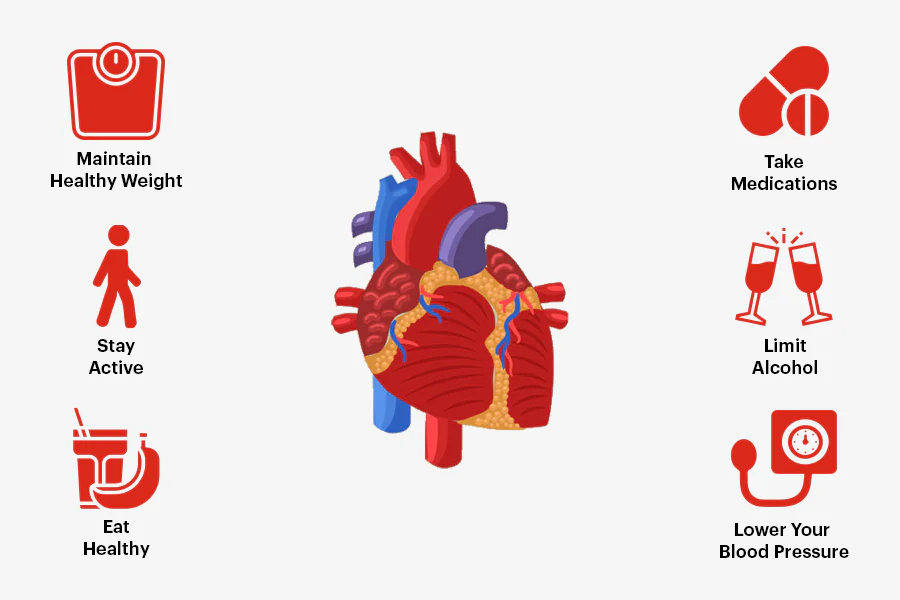
    Eat a Heart-Healthy Diet

    • Increase intake of fruits, vegetables, and whole grains

    • Reduce saturated fats, trans fats, and added sugars

    • Opt for lean proteins like fish and poultry

    Stay Physically Active

    • Aim for 30 minutes of moderate exercise daily (walking, jogging, cycling)

    • Strength training twice a week improves heart health

    Manage Stress

    • Practice meditation, deep breathing, or yoga

    • Get enough sleep (7–9 hours per night)

    Quit Smoking & Limit Alcohol

    • Smoking damages arteries and increases heart disease risk

    • Excessive alcohol consumption can lead to high blood pressure

    Regular Health Screenings

    • Monitor blood pressure regularly

    • Get cholesterol and blood sugar levels checked

    • Consult a doctor if you have a family history of heart disease

    Conclusion

    Heart disease is a serious yet preventable condition. By making simple lifestyle changes, staying active, and scheduling regular check-ups, you can significantly lower your risk. Don’t wait for symptoms—start prioritizing your heart health today!

  • 🔊 Cochlear Implant – Restoring the Gift of Hearing!

    🔊 Cochlear Implant – Restoring the Gift of Hearing!

    🔊 Cochlear Implant – Restoring the Gift of Hearing!

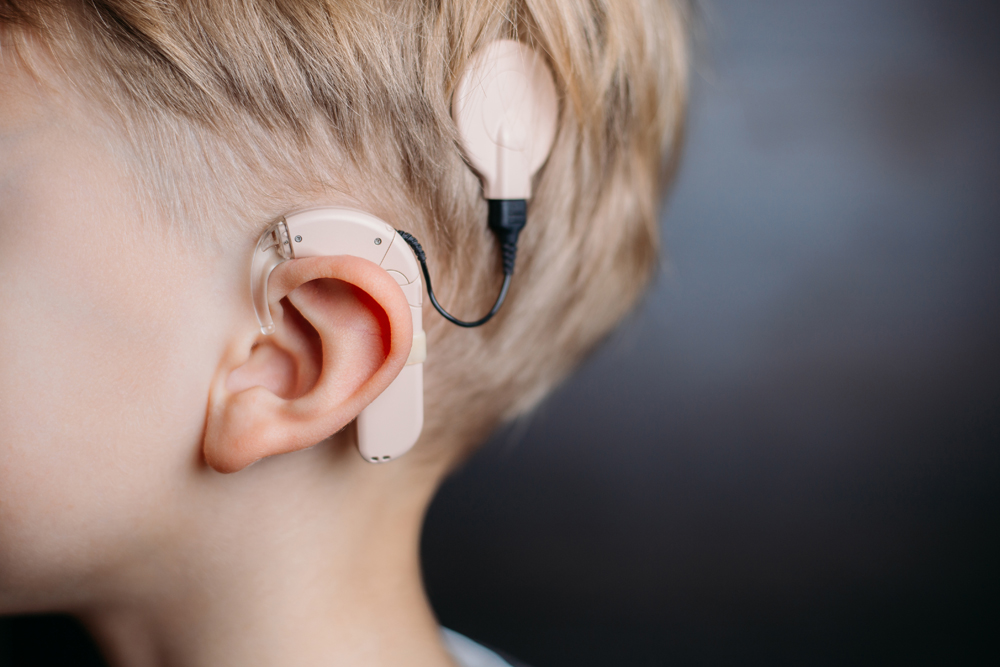
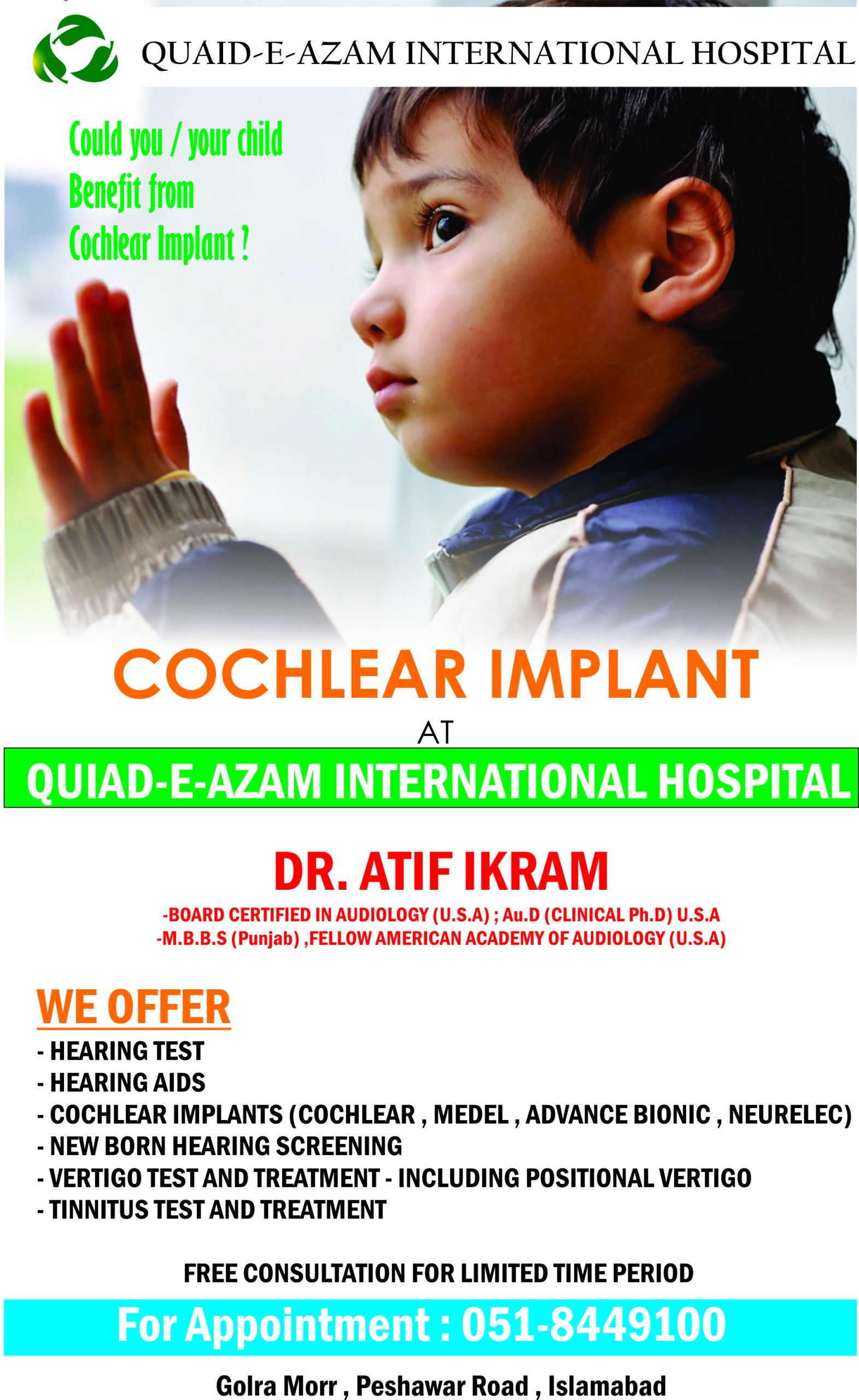
    A Cochlear Implant is a revolutionary medical device designed to restore hearing in individuals with severe to profound hearing loss. Unlike hearing aids, which amplify sound, cochlear implants bypass damaged parts of the ear and directly stimulate the auditory nerve, enabling clearer hearing and improved speech perception.

    🔹 Who Can Benefit?

    ✅ Individuals with severe hearing loss in one or both ears
    ✅ Children and adults who do not benefit from hearing aids
    ✅ Those seeking to improve speech recognition and communication skills

    🔹 Benefits of a Cochlear Implant:

    🔊 Restores hearing ability in people with profound hearing loss
    🗣️ Improves speech understanding and communication
    🎓 Helps children develop language and learning skills
    🌍 Enhances social interactions and quality of life

    At Quaid-e-Azam International Hospital, we provide advanced cochlear implant solutions with expert consultation, surgery, and rehabilitation support to ensure the best outcomes for our patients.

    📞 For consultations and appointments, contact us at [Hospital Contact Number]

    #CochlearImplant #HearingRestoration #QIH #AdvancedHealthcare #BetterHearingBetterLife

  • (MOU) with the Islamabad Chamber of Commerce

    (MOU) with the Islamabad Chamber of Commerce

    🤝 Exciting Partnership Announcement!

    We are thrilled to share a major milestone for Quaid-e-Azam International Hospital! 🎉 Today, we have officially signed a Memorandum of Understanding (MOU) with the Islamabad Chamber of Commerce, paving the way for a transformative collaboration between healthcare and business.

    🔹 What This Means:

    ✅ Strengthening ties between the healthcare and business communities
    ✅ Promoting innovation in medical services and corporate health solutions
    ✅ Enhancing accessibility to top-tier healthcare for businesses and professionals

    This partnership represents our commitment to excellence, innovation, and community well-being. Together, we aim to create a healthier and more prosperous future! 🌟

    📍 Stay tuned for more updates on this exciting collaboration!

    #QIH #HealthcareInnovation #MOU #IslamabadChamber #CollaborationForGrowth


  • Evening Clinics Starting from January 1st 2025

    Evening Clinics Starting from January 1st 2025

    🌟 Quaid-e-Azam International Hospital Launches Evening Clinics! 🌟

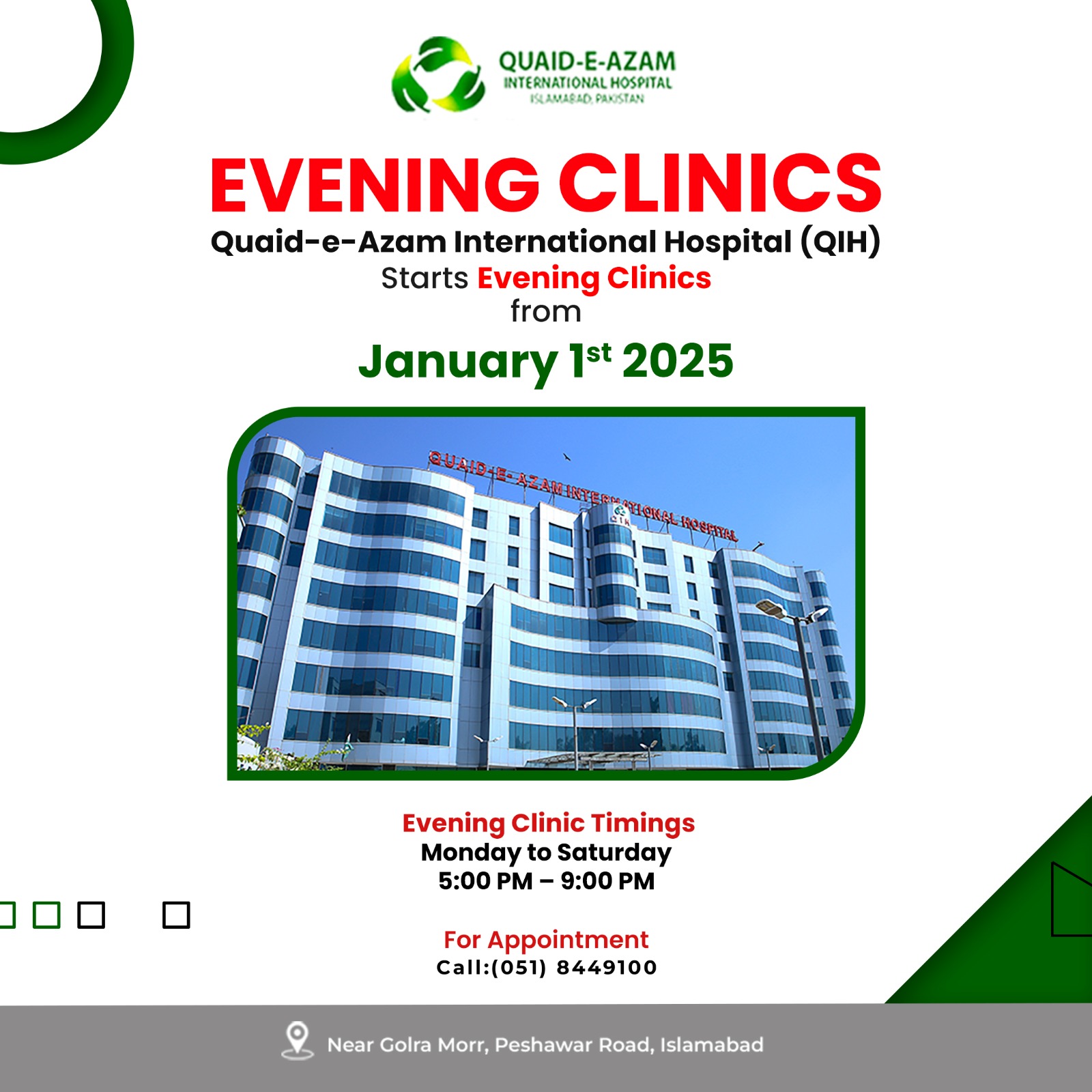
    We are excited to announce that Quaid-e-Azam International Hospital will be starting Evening Clinics from 1st January 2025 to provide convenient healthcare services for our patients.

    🕒 Evening Clinic Timings:

    📅 Monday to Saturday
    5:00 PM – 9:00 PM

    💡 Why Choose Our Evening Clinics?

    Extended Consultation Hours for busy professionals and families
    Specialist Doctors Available across multiple departments
    Comprehensive Medical Services with state-of-the-art facilities
    Easy Appointments & Walk-in Consultations

    📍 Location: Quaid-e-Azam International Hospital, Islamabad

    🔔 For Appointments & Inquiries: Call +92 (051) 8449100

    💙 Your health, our priority – now with extended care!

    #EveningClinics #HealthcareForAll #QIH #ExtendedCare

  • HOUSE JOB – 2025-2026

    HOUSE JOB – 2025-2026

    🏥 House Job Opportunity at Quaid-e-Azam International Hospital 🏥

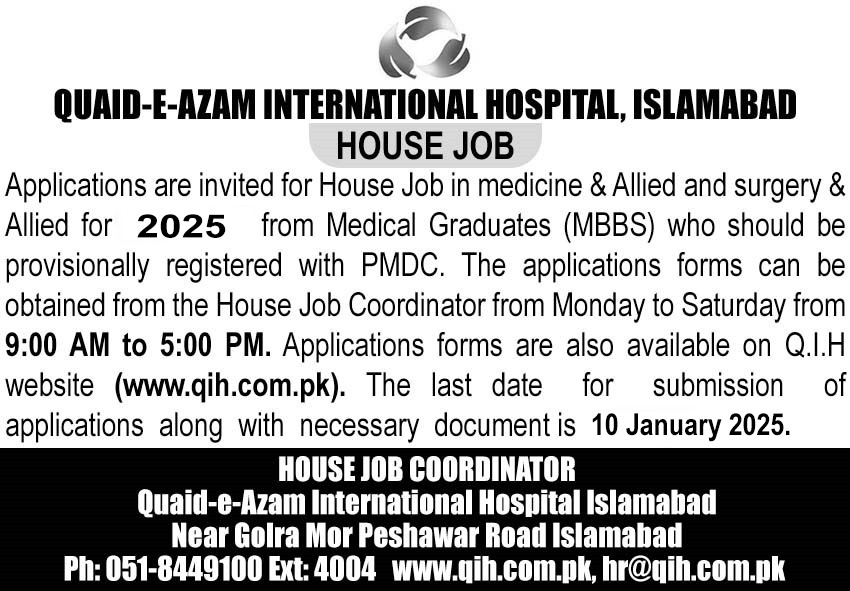
    Are you a fresh medical graduate looking for hands-on clinical experience? Quaid-e-Azam International Hospital (QIH) is offering a House Job Program to help aspiring doctors gain practical knowledge and training under the supervision of experienced healthcare professionals.

    🔹 Program Details:

    📍 Location: Quaid-e-Azam International Hospital, Islamabad
    📅 Duration: 
    💼 Departments: Medicine, Surgery, Gynaecology, Paediatrics, Orthopaedics, and more

    💡 Eligibility Criteria:

    ✅ MBBS/BDS graduate from a recognized institution
    ✅ Valid PMDC/PMC provisional license
    ✅ Passion for learning and patient care
    ✅ Strong teamwork and communication skills

    🎯 Benefits of the House Job Program:

    🔹 Practical Clinical Exposure in a well-equipped hospital
    🔹 Mentorship & Training by senior specialists
    🔹 Hands-on Experience in diagnosing and treating patients
    🔹 Certificate upon Completion to boost your medical career

    📩 How to Apply?

    Please Click Here to Download Application Form

    Interested candidates can submit their applications along with their resume, PMC license, and academic transcripts apply in person at the hospital’s HR department.

    🔔 Application Deadline: 10 Jan 2025

    👉 Start your medical journey with one of the leading hospitals in Pakistan!

    #HouseJob #MedicalTraining #QIH #HealthcareCareers #MedicalGraduates

  • Comprehensive & Advanced Dental Care at Quaid-e-Azam International Hospital!

    Comprehensive & Advanced Dental Care at Quaid-e-Azam International Hospital!

    🦷 Advanced Dentistry Services at Quaid-e-Azam International Hospital!

    At Quaid-e-Azam International Hospital (QIH), we provide comprehensive dental care to ensure optimal oral health and beautiful smiles. Our expert team of dentists uses modern techniques and advanced technology to deliver high-quality, pain-free treatments.

    🦷 Our Dental Services Include:

    General Dentistry – Check-ups, cleanings, fillings, and tooth extractions
    Orthodontics – Braces and aligners for straighter teeth
    Root Canal Treatment (RCT) – Painless solutions to save damaged teeth
    Gum Disease Treatment – Prevention and treatment of gingivitis and periodontitis
    Dental Implants – Permanent solutions for missing teeth
    Pediatric Dentistry – Gentle dental care for children
    Oral & Maxillofacial Surgery – Treatment of jaw, teeth, and gum issues

    🌟 Why Choose QIH for Dental Care?

    ✔️ Expert Dental Specialists
    ✔️ State-of-the-Art Technology
    ✔️ Safe, Sterile, and Comfortable Environment
    ✔️ Affordable & High-Quality Care

    📍 Book your appointment today and take the first step toward better oral health!
    📞 For Appointments & Inquiries: Call [Hospital Contact Number]

    #QIH #Dentistry #OralHealth #DentalCare #HealthySmiles

  • Alcohol-related deaths up 18% during pandemic

    Alcohol-related deaths up 18% during pandemic

    CSA Z8000 provides guidance on developing a structured, performance-based sustainability program that integrates health care, energy efficiency, and climate change policies and actions in a holistic and coherent manner. By applying sustainability principles, including responsible use of water, energy, and other resources, business continuity, and adaptive capacity, HCFs can have a positive environmental impact.

    • Balancing design approaches with practical realities of northern, small, and remote communities

    Logistical challenges, the harsh climate, building on permafrost, and access to material may make it difficult and expensive for some communities to comply with the requirements of CSA standards. CSA Z8000 recommends using an ethical design framework to engage the community, understand how the HCF can best serve the community, and asses if modifications or adaptations of CSA Z8000 are necessary.

    CSA Z8000:24 aims to lead the health care sector toward sustainability and climate resilience and contribute to better health outcomes and the well-being of patients and health care workers. Visit CSA Group’s website to learn more about CSA Z8000 and other standards and research for HCFs and the complex systems and processes within them.

  • A pathway to independence for patients with rare disease

    A pathway to independence for patients with rare disease

    Nearly 20 years ago, Audrey Gouskos came through the St. Michael’s Hospital Emergency Department unable to walk. She had trouble breathing and would be intubated for six weeks. At 41 years old, with a busy career and a three-year-old son at home, Gouskos recalls having her last rites read as clinicians worked to determine what was going on.

    This was the beginning of her journey with a rare disease known as
    dermatomyositis.

     “St. Michael’s has really kept me alive,” says Gouskos.

    Through the years, she has had flare ups that continue to require steroids to manage, been intubated twice, and now has a port for immunotherapy treatment. She has nine specialists at St. Michael’s and visits the hospital five to six times per month because her disease impacts so many different organs.